
Lent 2026 · Day 4: What Makes a Beloved Community
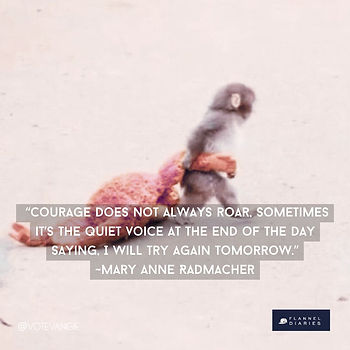
I’ve been thinking a lot today about Punch-kun, the Japanese macaque monkey who went viral this week.
Rejected by his mother for reasons only she knows. Hand-raised by zookeepers. Given an IKEA orangutan plushy as a surrogate. People woke up crying over videos of him trying to be accepted by his troop. And honestly, I get it. I felt that immediate instinct to protect him. To scoop him up. To say, someone, please love this baby.
But I also wondered why Punch hit such a nerve.
Is it the mother-abandonment wound?
The fear of being unwanted?
The memory of being bullied, ignored, or lonely?
That feeling of pressing yourself against a stuffed animal at night because it can’t reject you, even if it can’t hug you back?
The zoo responded thoughtfully. They reminded people that while it looks painful, this is normal monkey behavior. They said:
“In order to integrate Punch into other Japanese monkey troops, we anticipated that this kind of challenge may arise… While Punch is scolded many times, no single monkey has shown serious aggression toward him. We would like you to support Punch’s effort rather than feel sorry for him.”
That line stopped me cold.
Support his effort rather than feel sorry for him.
It made me think about myself as a kid.
I was a weird kid. Awkward. Quiet (if you can believe that). A daydreamer. I drew a lot. Enjoyed my own company. Had exactly one good friend who lived across the street, and he was the kid who threw up in the cafeteria. So yes, we were both outcasts.
When he moved away, I was alone. New school. No friends. Poor social skills. Deep loneliness. I wanted connection, I just didn’t know how to get there.
In third grade, the school offered workshops, and one of them was literally called How to Make Friends. I’m 51 years old and I still remember the most important lesson from that class: Don’t be afraid to introduce yourself.
“Hi, my name is Vangie.”
That was me taking an active role in my own life. Trying. Showing up. Making an effort, even when it was uncomfortable. Even when I was scared and alone.
Eventually, I met my best friend growing up, Coleen Mande. She became one of the first members of my sacred, beloved community. She helped heal the loneliness. The feeling of being unwanted or invisible. Maybe the day those boys stole my shoes and threw them into the boys’ bathroom, she saw a little Punch who needed rescuing. (Yes, that actually happened.)
What we found was sisterhood. Support. Friendship. Community.
I wouldn’t be who I am today without her. I wouldn't be as cool. I know that. And she knows that, too.
And when I see Punch, I see myself. I see resilience. I see effort. I see someone trying to belong.
We don’t need to pity him.
We need to support his effort.
His resilience.
His mental strength.
His fortitude.
He, too, will find his beloved community.
Lenten Reflection:
“I give you a new commandment, that you love one another. Just as I have loved you, you also should love one another. By this everyone will know that you are my disciples, if you have love for one another.” - John 13:34–35
Beloved community isn’t built on perfection or sameness. It’s built through effort, patience, and choosing love even when it’s awkward or slow.
Lent asks us to notice who is trying.
Who is showing up.
Who is reaching out, even when it costs them something.
This season invites us not just to feel compassion, but to practice it. Not to rescue people from discomfort, but to walk beside them as they grow.
Maybe the work isn’t to feel sorry.
Maybe the work is to support the effort.
That’s how beloved communities are made.
Take care of yourself. Take care of each other.


.jpg)


Comments